June 25, 2026
Pets bring joy, companionship, and unconditional love into our lives. Whether you share your home with a playful puppy, a curious cat, or a senior pet enjoying their golden years, maintaining their health is one of the most important responsibilities of pet ownership. While regular veterinary care plays a major role in wellness, there are many daily habits and preventative measures that contribute to a pet's long-term health and happiness.
Veterinary emergencies can happen unexpectedly, which is why preventative care remains so important. By understanding the recommendations commonly shared by a local emergency veterinarian, pet owners can help reduce health risks, identify warning signs early, and support their pet's overall well-being throughout every stage of life.
Schedule Routine Wellness Exams
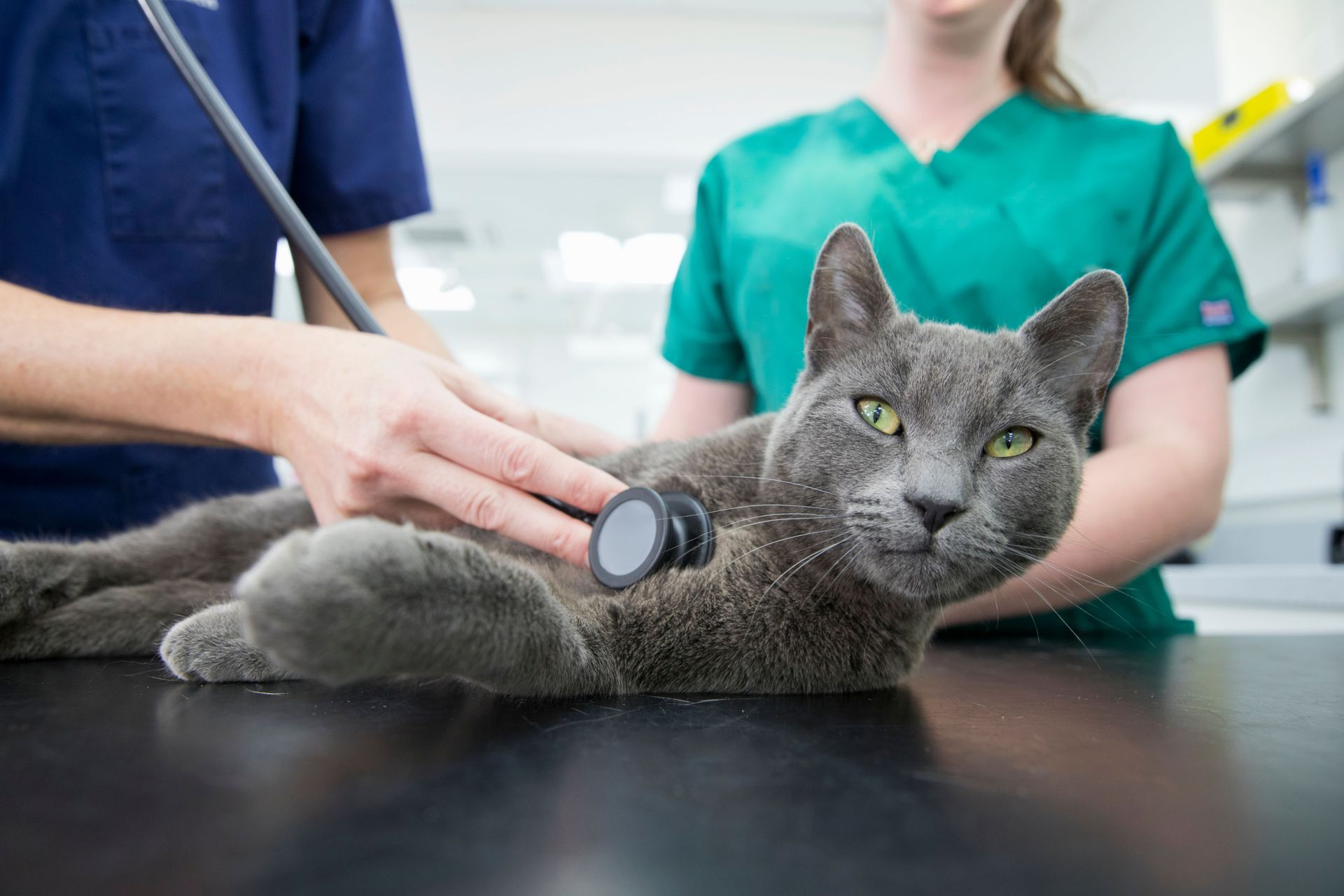
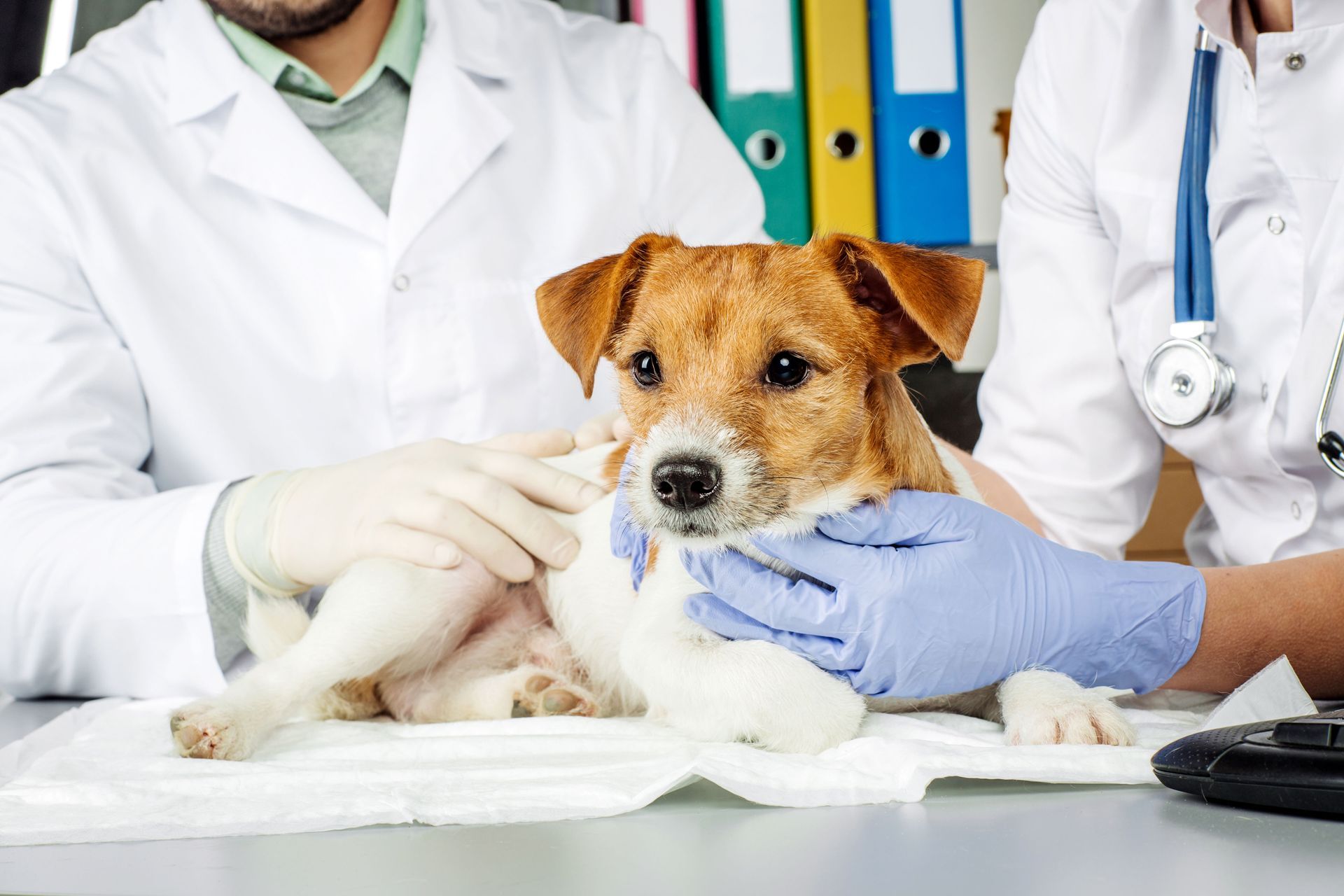
One of the most important recommendations from any veterinarian is to schedule regular wellness visits. Routine examinations allow veterinarians to evaluate your pet's overall condition and identify potential concerns before they become serious health problems.
Many illnesses develop gradually and may not show obvious symptoms in the early stages. During wellness appointments, veterinarians assess weight, mobility, dental health, heart function, and other vital indicators. These evaluations create a health baseline that helps detect changes over time. A local emergency veterinarian often sees cases that could have been addressed earlier through preventative care, making routine checkups an essential part of maintaining your pet's health.
Provide a Balanced Diet
Nutrition serves as the foundation of good health. Pets require balanced diets that provide appropriate amounts of protein, fats, carbohydrates, vitamins, and minerals based on their age, size, breed, and activity level. Overfeeding and poor nutrition can contribute to obesity, joint problems, heart disease, and diabetes. Likewise, nutritional deficiencies may weaken the immune system and negatively affect overall wellness.
A local emergency veterinarian recommends selecting high-quality food that meets your pet's specific needs and monitoring portion sizes carefully. Healthy eating habits can help pets maintain an ideal weight and enjoy a higher quality of life.
Maintain a Healthy Weight
Obesity has become one of the most common health concerns among pets. Excess weight places additional strain on joints, organs, and the cardiovascular system while increasing the risk of numerous medical conditions. Maintaining a healthy weight requires a combination of proper nutrition and regular physical activity. Pet owners should monitor body condition scores and discuss weight management strategies during veterinary visits.
A local emergency veterinarian frequently treats complications that are made worse by obesity, including respiratory distress and mobility issues. Keeping your pet at a healthy weight can significantly reduce these risks.
Keep Vaccinations Current
Vaccinations are one of the most effective ways to protect pets from serious and potentially life-threatening diseases. Vaccines help strengthen the immune system and reduce the likelihood of infection from various viruses and illnesses.
Vaccination schedules vary depending on species, age, lifestyle, and regional risks. Staying current with recommended vaccinations helps protect both individual pets and the broader pet community. Veterinarians work closely with pet owners to determine appropriate vaccination schedules and ensure pets receive the protection they need throughout their lives.
Pay Attention to Dental Health
Dental care is often overlooked, but oral health has a major impact on a pet's overall wellness. Dental disease can lead to pain, tooth loss, infections, and even complications affecting the heart, kidneys, and liver. Signs of dental problems may include bad breath, difficulty eating, inflamed gums, or excessive drooling. Routine dental evaluations allow veterinarians to identify issues before they progress.
Many recommendations from a local emergency veterinarian include regular dental assessments because untreated oral disease can eventually contribute to more serious health concerns.
Watch for Behavioral Changes
Pets cannot communicate discomfort the same way humans can. Instead, changes in behavior often provide valuable clues about their health.
Sudden lethargy, loss of appetite, unusual aggression, hiding, excessive vocalization, or changes in bathroom habits may indicate underlying medical issues. Pet owners who pay close attention to behavioral changes are often able to seek veterinary care sooner. Early intervention frequently leads to better outcomes and may help prevent minor issues from becoming emergencies.
Protect Against Parasites
Parasites such as fleas, ticks, and intestinal worms can cause significant health problems if left untreated. Preventative parasite control helps protect pets from discomfort, illness, and potential complications.
Many parasites can also affect humans, making prevention important for the entire household. Veterinarians recommend year-round parasite prevention plans tailored to regional risks and individual pet lifestyles. A local emergency veterinarian may encounter severe cases involving parasite-related complications, reinforcing the importance of consistent preventative care.
Provide Regular Exercise and Mental Stimulation
Physical activity helps maintain healthy muscles, joints, and cardiovascular function. Exercise also provides mental enrichment, helping reduce boredom and destructive behaviors. The amount of exercise needed varies by species, breed, age, and health condition. Active breeds often require more physical activity, while senior pets may benefit from gentler forms of exercise.
Mental stimulation is equally important. Interactive toys, training activities, and environmental enrichment can help keep pets engaged and mentally healthy. Regular exercise supports physical wellness while contributing to emotional balance and behavioral health.
Create a Safe Home Environment
Many veterinary emergencies occur because pets encounter preventable hazards within the home. Toxic plants, medications, household chemicals, electrical cords, and small objects can all pose serious risks.
Pet owners should evaluate their homes from a pet's perspective and remove potential dangers whenever possible. Securing hazardous materials and limiting access to unsafe areas can significantly reduce accident risks. A local emergency veterinarian often treats accidental poisonings and injuries that occur in otherwise loving homes. Creating a safe environment remains one of the best preventative measures available.
Understand Common Emergency Warning Signs
Recognizing signs of a medical emergency can help pet owners seek prompt veterinary care when needed. Symptoms that may require immediate attention include difficulty breathing, severe vomiting, persistent diarrhea, collapse, seizures, significant injuries, or sudden inability to walk.
Knowing what constitutes an emergency allows pet owners to respond quickly and potentially improve outcomes for their pets. Veterinarians encourage owners to familiarize themselves with emergency symptoms and have contact information readily available should urgent care become necessary.
Plan Financially for Unexpected Veterinary Care
Emergency veterinary care can be stressful both emotionally and financially. Planning ahead allows pet owners to make healthcare decisions without unnecessary delays during urgent situations. Some pet owners choose emergency savings funds, while others utilize pet insurance to help manage unexpected costs.
According to MarketWatch, 12.9% of animal owners rely on pet insurance to cover emergency vet costs. A local emergency veterinarian often recommends discussing financial preparedness before emergencies occur so owners can focus on obtaining timely care when their pets need it most.
Monitor Senior Pets More Closely
As pets age, their healthcare needs evolve. Senior pets are more susceptible to arthritis, kidney disease, heart conditions, vision changes, and cognitive decline.
Regular monitoring becomes increasingly important during the senior years. More frequent wellness visits may be recommended to identify age-related conditions early and improve quality of life.
Veterinarians often encourage owners of older pets to watch closely for subtle changes in mobility, appetite, energy levels, and behavior. A local emergency veterinarian can attest that early detection often makes a significant difference in managing age-related health concerns.
Keeping pets healthy involves much more than responding to illness when it occurs. Routine veterinary care, proper nutrition, exercise, dental health, parasite prevention, and a safe environment all contribute to a longer, healthier life. By following these recommendations commonly shared by a local emergency veterinarian, pet owners can take meaningful steps toward preventing health problems and identifying concerns early. If you suspect a pet emergency, contact our team at NB Animal Urgent Care in New Braunfels, TX.