July 18, 2026
Pet ownership brings a plethora of joyous moments, but it also carries the responsibility of ensuring our furry companions remain completely safe. Unfortunately, pets often find themselves in precarious situations involving hidden poisons and swallowed objects. This guide aims to equip pet owners with essential knowledge to handle such emergencies effectively. When a crisis occurs, knowing how to coordinate with emergency vets can make a massive difference in your animal's recovery. These dedicated professionals are always ready to assist families when unexpected medical crises arise at home.
Being prepared means understanding the environment from a pet's perspective and anticipating the unique curiosity that drives animals to explore. Many items that are harmless to humans pose severe risks to domestic pets, making proactive education an absolute necessity. By learning the signs of distress and the appropriate steps to take, you can remain focused during an event. This baseline awareness allows families to enjoy their pets fully while minimizing potential risks. Let us explore how to safeguard your home and ensure your pet receives the finest care when specialized medical assistance is required.
Identifying Common Domestic Poisons
A surprising number of common household foods can be toxic to pets, and owners must be aware of these dangers. Foods such as chocolate, xylitol, grapes, and onions top the list of harmful substances. According to veterinary industry data, nearly twenty-nine percent of urgent pet cases were caused by accidental consumption of harmful items, particularly chocolate, xylitol, and foreign materials. Addressing these mishaps frequently requires a combination of induced vomiting, endoscopic procedures, and charcoal treatments, which result in substantial medical bills and support the broader veterinary urgent care sector. Recognizing these situations early allows you to contact emergency vets immediately.
Understanding the harmful effects of these everyday items will help in preventing exposure before an accident happens. Pet owners should store such foods securely, away from the reach of curious mouths. Special care should be taken during holidays and celebrations when these items are more abundantly present. Xylitol, a sugar xylitol found in sugarless gum and toothpaste, is particularly dangerous, causing rapid insulin release. Educating household members reduces the chances of accidental poisoning and keeps your pet safe. Taking these simple precautions ensures a happy home environment for everyone.
Recognizing Sudden Toxicity Symptoms
Recognizing early physical symptoms of poisoning is vital for prompt intervention. Common indicators include vomiting, diarrhea, drooling, and sudden lethargy, which are the body's natural response to expel harmful toxins. Unusual behavior such as restlessness, pacing, or unsteadiness can also signify a serious medical issue. Immediate evaluation is crucial as these symptoms can progress rapidly and cause internal damage. Documenting your pet's exact symptoms can help emergency vets quickly identify the cause and provide proper life-saving treatment.
It is important to understand that not all toxic symptoms manifest simultaneously. Certain poisons target specific organs, causing varied reactions; for example, antifreeze impacts kidneys severely, while chocolate affects the cardiovascular system. Owners should be mindful of any sudden changes in normal activities, as subtle behavioral signs are often the first warning signals. Quick identification is pivotal to preventing long-term complications, allowing providers to administer supportive care efficiently.
Executing Immediate First Aid
In the unfortunate event of a poisoning, the first step should always be to seek professional guidance. Staff members at specialized clinics and poison control phone lines provide vital resources and clear advice on the best actions to take based on the specific substance. Keep information such as the type of poison, the approximate amount ingested, and the exact time of exposure ready to relay. The speed of your response markedly affects your pet's prognosis and recovery.
While preparing to transport your animal, remain calm and ensure the pet is safe from further toxic exposure. Having a planned strategy streamlines the process, allowing you to focus on providing details for treatment decisions. Medical teams will instruct you on whether immediate transport is necessary or if specific home interventions can stabilize the animal during transit. Relying on emergency vets ensures access to advanced diagnostic tools and professional treatments that cannot be replicated at home.
Implementing Preventive Home Safety
Implementing structured training strategies is a proactive approach to preventing pet poisonings and accidents involving swallowed objects. Training pets to recognize and avoid potential dangers through positive conditioning and reinforcement techniques significantly mitigates everyday risk. For instance, teaching robust leave it or drop it commands helps manage on-the-spot impulses, preventing the rapid ingestion of harmful household items. Positive reinforcement builds strong behavior patterns, aligning obedience with safety and ensuring your pet listens reliably.
Regular reinforcement of these commands is needed because domestic threats evolve and change within a household environment over time. Working with pets consistently improves their response times and situational understanding in various rooms. Introducing mild distractions within practice sessions ensures they make safe choices when confronted with unexpected temptations when you are not looking. This training minimizes the likelihood that you will need to rush to emergency vets due to accidental ingestion.
Managing Swallowed Foreign Objects
Pets, especially younger animals and certain energetic breeds, display natural tendencies to chew on or swallow foreign objects. Commonly swallowed items include small toys, socks, clothing scraps, stones, and cooked bones left on dinner plates. Unobserved ingestion of these objects can cause serious health issues such as severe blockages or perforations in the digestive tract. Depending on the object's material, size, and shape, different clinical treatment approaches are required to safely extract the item.
Ingested objects can cause dangerous blockages at various points in a pet's digestive system, leading to serious health consequences if left unaddressed. Early recognition of obstruction signs bolsters a pet's survival chances and minimizes discomfort during the treatment process. Symptoms may include persistent gagging, excessive drooling, repeated vomiting, or obvious abdominal pain. If you observe these red flags, consulting emergency vets is the best course of action to diagnose the location of the blockage.
Navigating Urgent Care Solutions
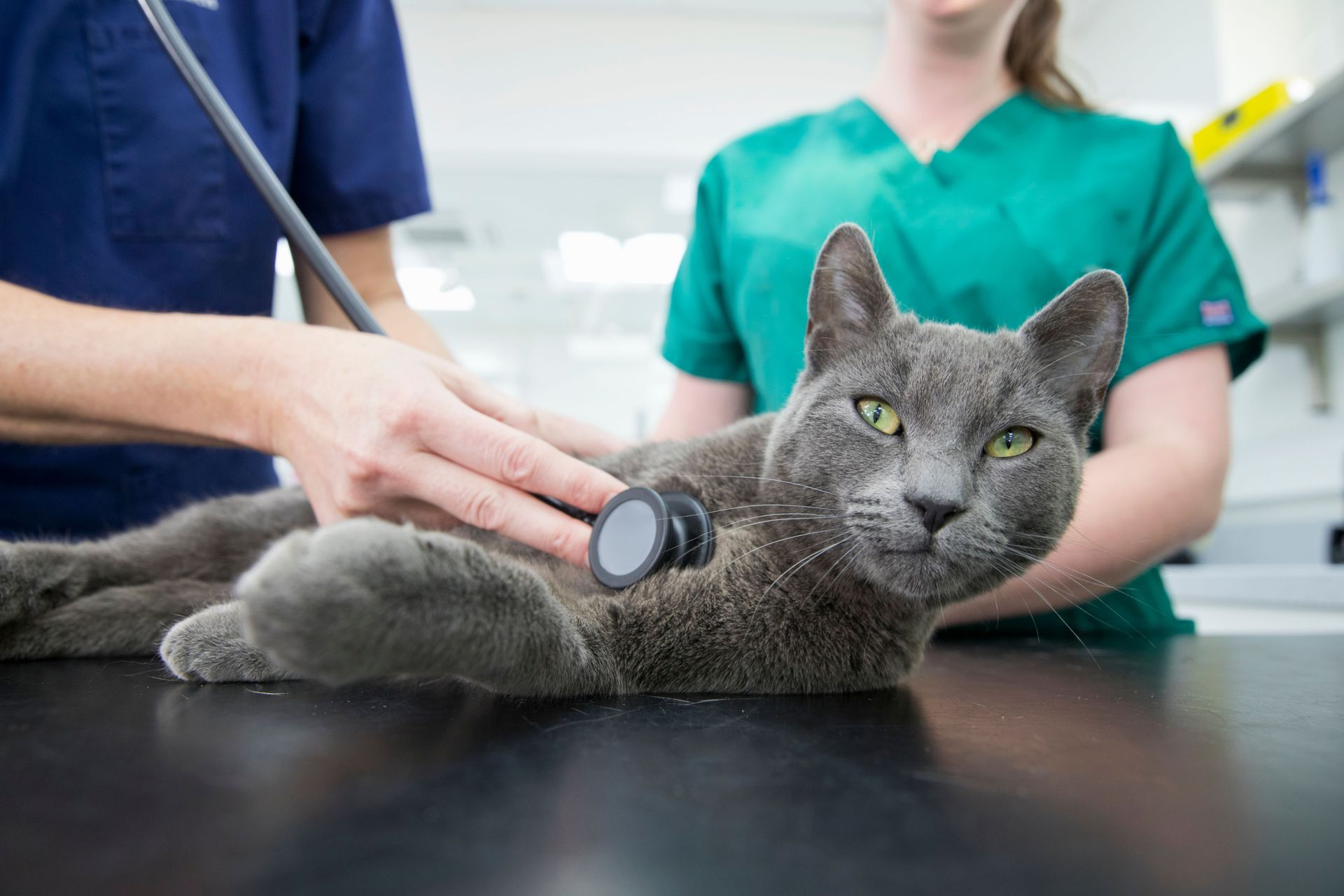
When a pet requires clinical intervention for a swallowed object, veterinary professionals utilize advanced imaging technology to plan the removal safely. X-rays and ultrasound scans allow the care team to see exactly where the object is lodged and determine if surgery is necessary. In many cases, non-invasive techniques can be used if the item is caught early enough in the stomach. These advanced procedures highlight the incredible capability of modern medicine to protect animals from internal harm.
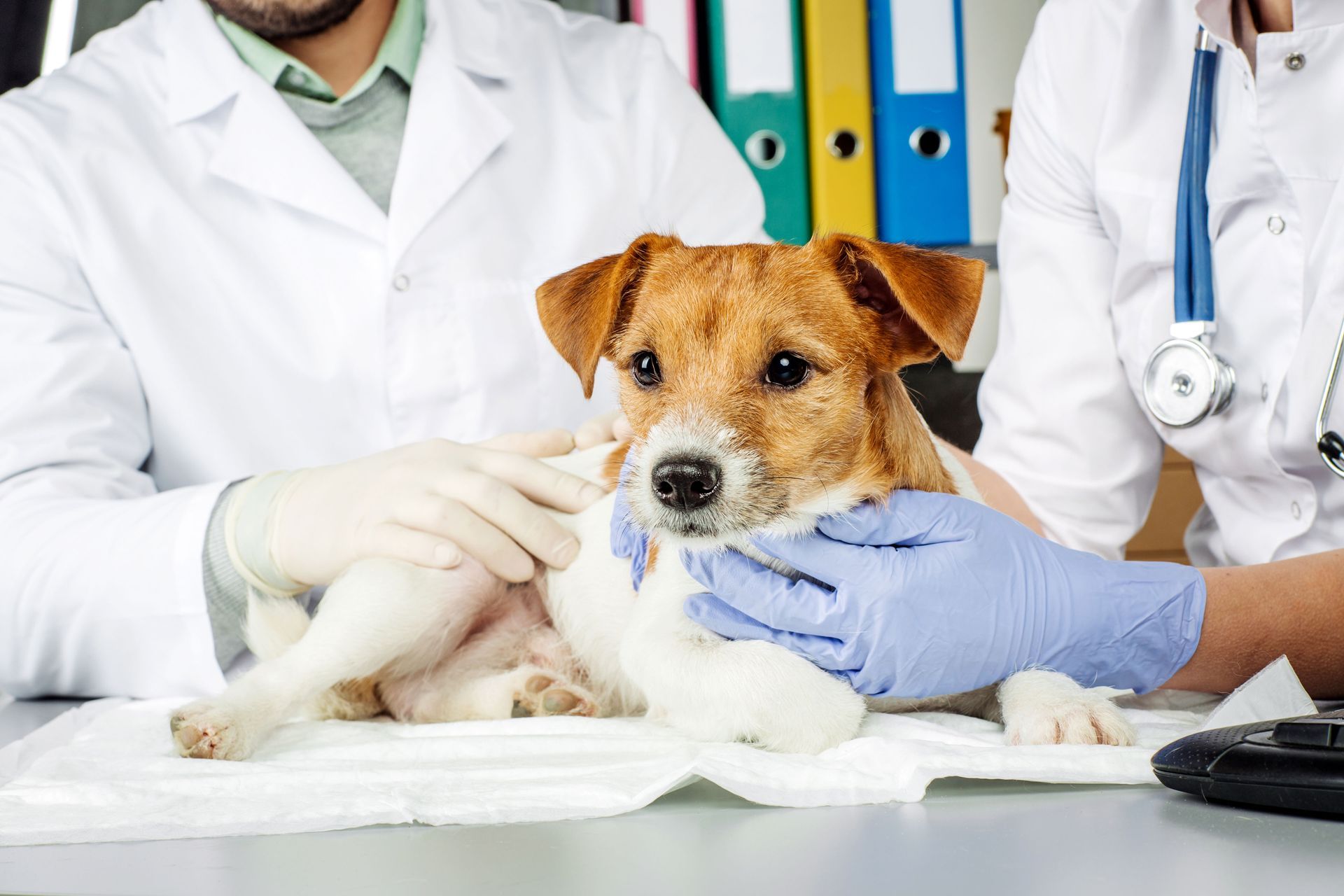
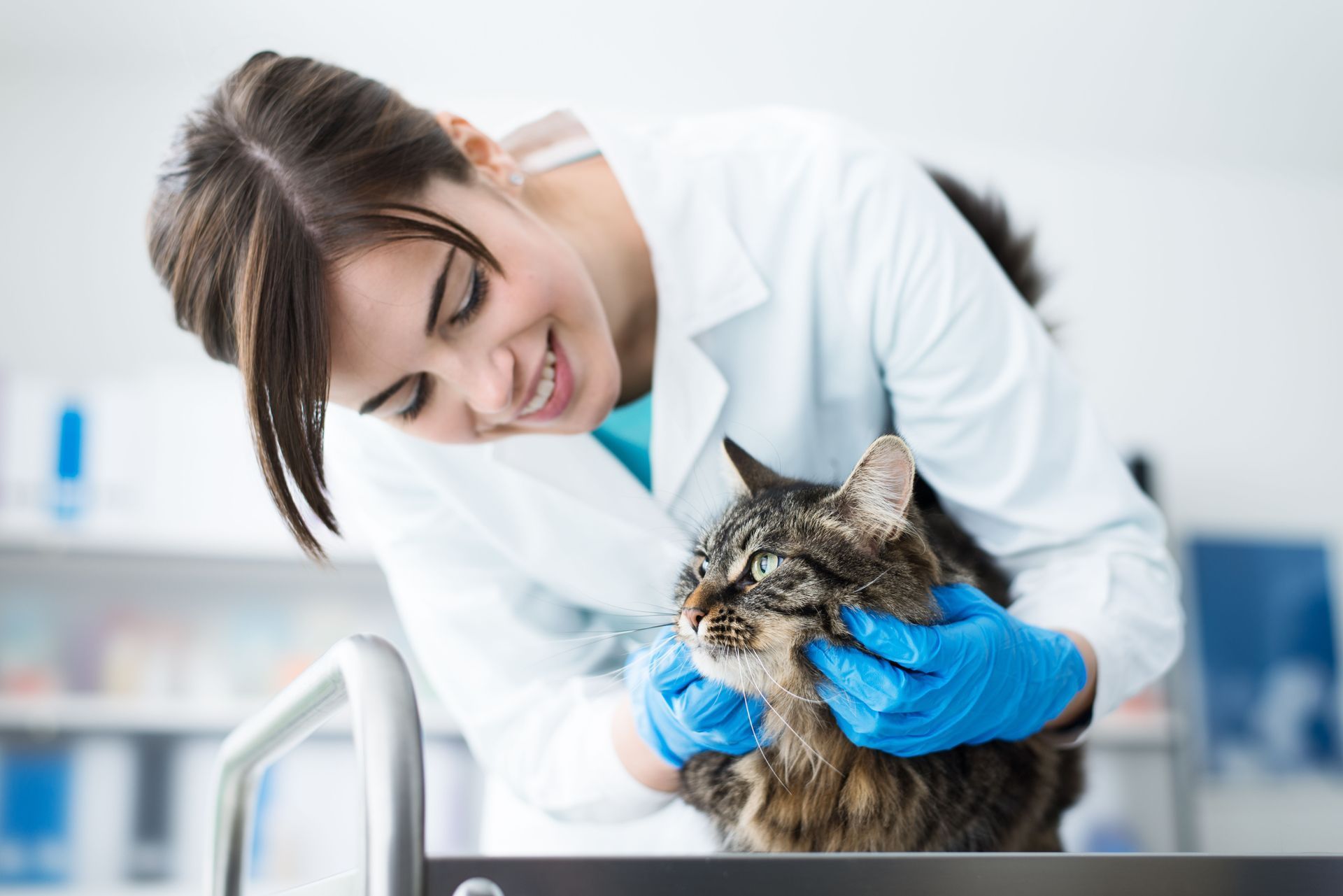
Having an established relationship with local clinics ensures you know exactly where to go when an unexpected accident occurs. Quick action saves time, reduces stress, and allows the veterinary team to begin supportive treatments immediately upon arrival. Medical professionals work tirelessly to stabilize injured animals, providing a safe environment where your companion can heal comfortably. Knowing that emergency vets are equipped with the latest technology gives pet owners immense peace of mind during stressful situations.
Protecting your pet from the unexpected requires a balance of at-home vigilance, proper training, and swift medical action when emergencies arise. By understanding household hazards and maintaining a secure environment, you can significantly reduce the risks of poisoning or foreign body obstruction. When incidents do happen, remaining calm and contacting emergency vets immediately ensures the best possible outcome for your animal companion. For comprehensive, reliable care and rapid medical assistance during any pet crisis, you can always count on the dedicated team at NB Animal Urgent Care.